
why your energy dips in the afternoon (and what helps)
a nervous-system-informed guide to afternoon fatigue
If you regularly hit a wall in the afternoon - you feel foggy, flat, tired - you’re not alone. Many people I work with assume that an afternoon energy dip means:
They lack motivation and willpower
They need more caffeine
They’re not disciplined enough
But - you might be happy to hear - for most people, afternoon fatigue has far less to do with motivation - and far more to do with how the nervous system has been working all day.
This short guide will help you understand:
Why energy dips are so common
Why you feel so tired at 3pm
What’s actually happening in your body and brain
What genuinely helps (and what often makes things worse)
why energy dips often show up in the afternoon.
By the afternoon, your nervous system has usually been doing a lot of heavy lifting. You may have been concentrating for long periods, managing demands, decisions and emotional load, or sat at your desk for hours, possibly with shallow or held breathing.
Even if none of this feels overly dramatic on its own, it still adds up, and when your nervous system stays in a state of alertness for a while, your energy and focus naturally drop.

a quick nervous system explanation.
Your nervous system is constantly balancing between:
Mobilisation - being alert, focused, doing
Rest and recovery - resting, digesting, restoring
During the working day, understandably, most people spend far more time in mobilisation.
So, by the afternoon, your stress hormones are elevated, your brain’s ability to focus begins to tire and your body hasn’t had enough opportunity to rest.
The result is brain fog, fatigue, irritability and that “tired but wired” energy.
why caffeine, willpower and scrolling rarely solve the problem
When energy dips, many people reach for:
Another coffee
Sugar
Forcing productivity
Zoning out on a screen (hello, doom scroll!)
These may offer short-term relief for feeling tired at 3pm, but they don’t support nervous system recovery.
In some cases, they actually increase stimulation, which makes it harder to rest later, creating poor sleep that night, which shows up as more fatigue the next day.
Argh!
what actually helps
Helpful approaches are those that reduce nervous system load. This is anything that makes you feel calm, happy, or both!
Try:
Gentle, slow breaths
Slow, calm movements of your head, neck and shoulders
Closing your eyes for a moment, somewhere you feel safe
Remember earlier we spoke about nervous system load building up over the course of your day - well - nervous system regulation is the same. It doesn’t have to be a 90 minute restorative yoga class, or that you do something every, single, day. Two minutes here, one minute there, all compound to make a huge difference.
Try this two minute at-your-desk yoga practice a few times over the next few days.
lunchtime yoga reset
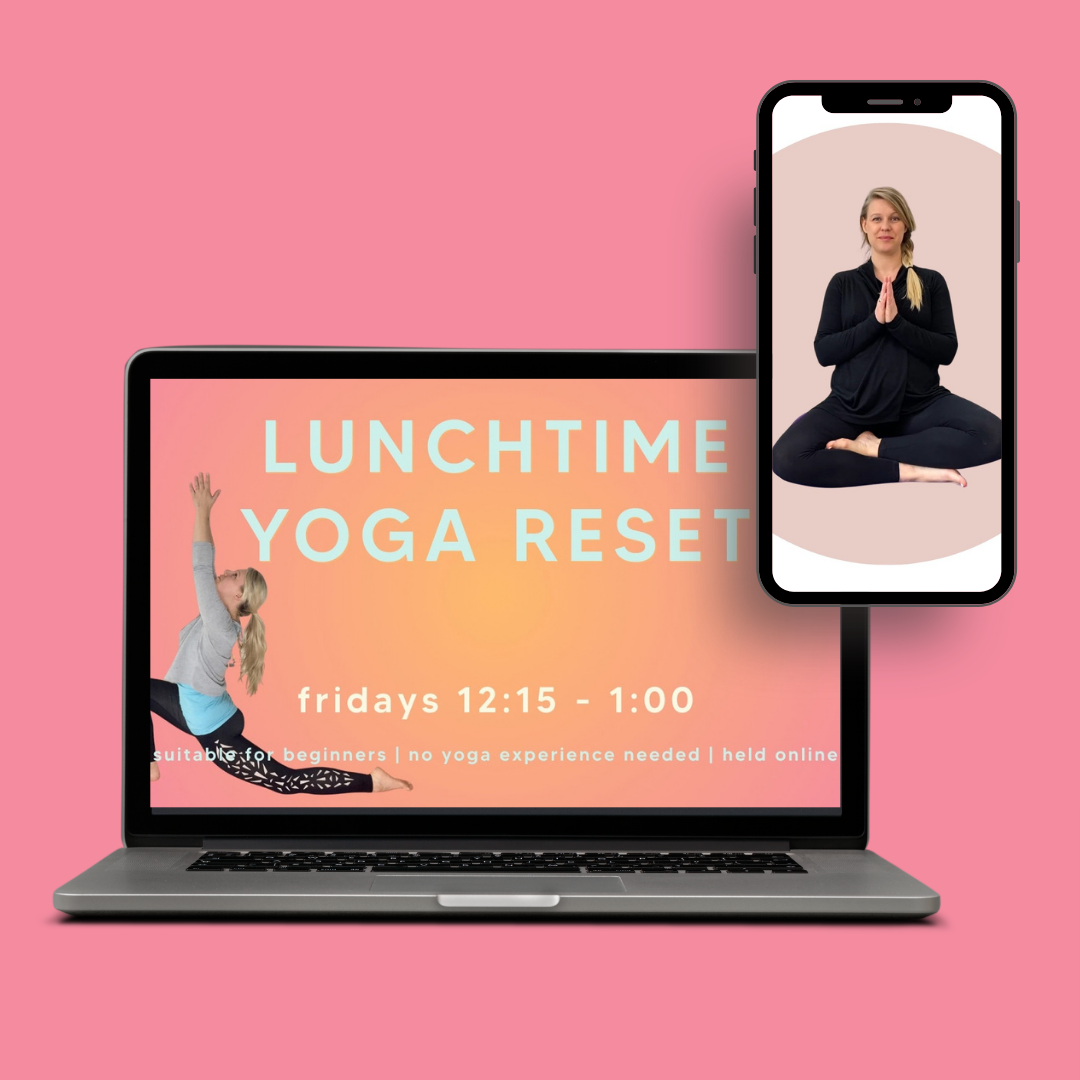
Make your lunch break a proper break
We’ll start with a grounding meditation, move through poses to free up your shoulders, spine and hips, and build a little strength along the way. Then we’ll finish with one of my signature relaxations - a chance to let go and enjoy a few quiet moments before returning to your day.
You don’t need to be flexible or have done yoga before. I’ll offer options so you can find what feels right for you, whether you’re feeling full of beans or a bit pooped.
Beginners welcome. Camera on or off - it’s up to you.
£7.50 per class or five for £25.
what’s next
If you’d like to explore this more deeply, there are two options:
Short-term support
Learn how yoga and neuroscience work together to support deeper rest in
👉 The Neuroscience of Sleep: Yoga Tools for Better Rest
Take a look here
Deeper change
If stress, fatigue or overwhelm feel woven into daily life,
👉 8 Weeks to Nervous System Resilience offers structured, evidence-based support over time.
Take a look here